
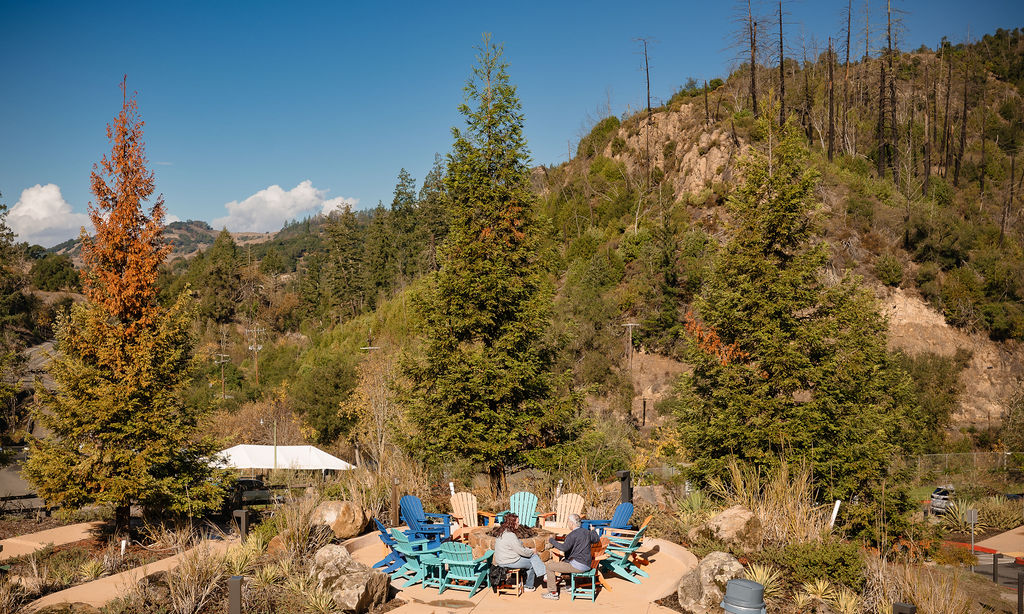
From November 15 to 17, nearly 100 Jewish overnight and day camp teams from across North America gathered at URJ Camp Newman in Santa Rosa, California, for the annual JCamp 180 Conference. Staff, lay leaders, and camp partners came together for three days of learning, connection, and inspiration to follow the conference theme: “Building Strong, Thriving Jewish Camps.”
This theme was inspired by Camp Newman’s own story. In 2017, the Tubbs Fire destroyed 90 percent of the camp’s structures. Rather than simply rebuild what had been lost, Newman’s staff and lay leaders reimagined the camp around their vision for its future. The conference, which used the Newman site and story as a laboratory for learning, focused on three pillars of a thriving camp: facilities, financial sustainability, and philanthropy.
“The harrowing 2017 fire gave Newman an unprecedented opportunity to re-start from where all nonprofit projects should start. It was a chance to set the mission and the vision of the institution — and a chance to match the real estate to that vision,” said Sarah Eisinger, director of JCamp 180. “When camps have a vision and mission, and a plan for their facilities and financials that maps onto that vision, they can be poised for growth or change, whether it’s forced upon them or planned for.”
Learning from the Camp Newman story
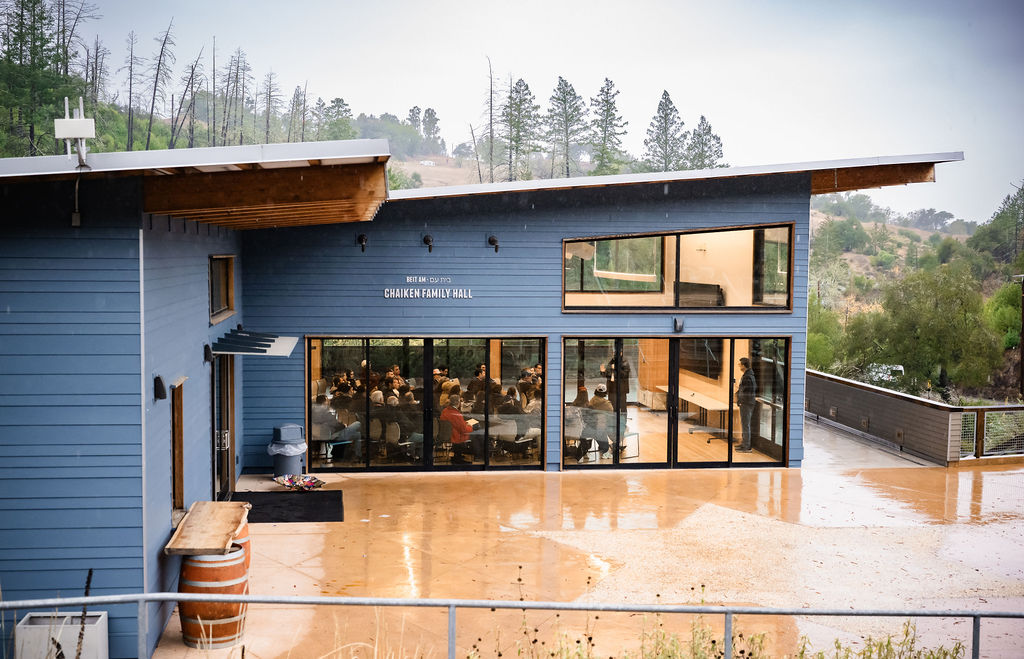
The conference opening day was therefore focused on the Camp Newman story and how camps can learn from their experience. Ari Vared, executive director of California Youth & Camping at URJ, shared how Newman moved from a facilities master plan in 2016 and through the aftermath of the fire to a new vision, business model, and phased rebuild. Attendees had opportunities throughout the conference to tour the camp and retreat center, leaving them inspired by the magnificent site. They also learned how design choices, such as ensuring accessibility and creating flexible, multiuse spaces, as well as the development of a year-round retreat business, support the camp’s mission and finances.
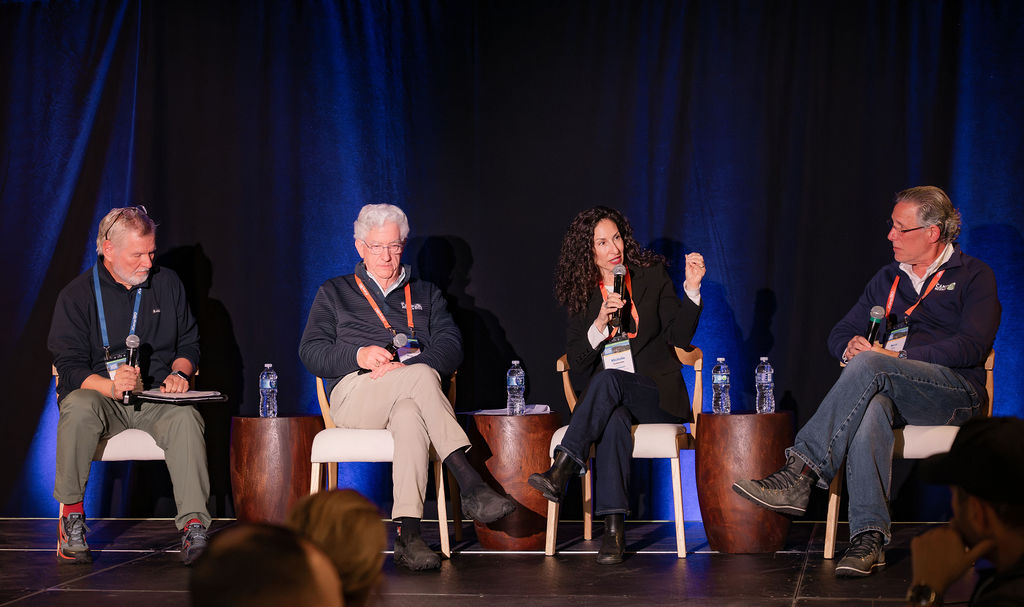
That evening, URJ Camp Newman Advisory Board members Michelle Tandowsky, Barry Cohn, and Jim Heeger joined a panel moderated by JCamp 180 consultant Dan Kirsch. They spoke about how the board responded to the crisis, cast a bold new vision, and raised funds at an unprecedented scale.
Other Conference Highlights
Harold Grinspoon Foundation Executive Vice President Adrian Dion discussed the Foundation’s continued commitment to nonprofit Jewish camp. She highlighted the new investment of $50 million in matching grants (Forward Together and the Endowment Accelerator) over five years for physical improvements, unrestricted needs, and building endowments, which doubles the current annual commitment to affiliated overnight camps. She commended the camps for their work in successfully applying the funds and encouraging donors to meet the moment.
Eisinger also introduced the Camp Compass, a new framework for thriving camps developed as a joint initiative with the Foundation for Jewish Camp. “Camp Compass draws on data camps already share, including data about finances, enrollment, and governance, to help camps see where they are strong and where they can grow,” said Eisinger.
From "Old Camp" to "New Camp"
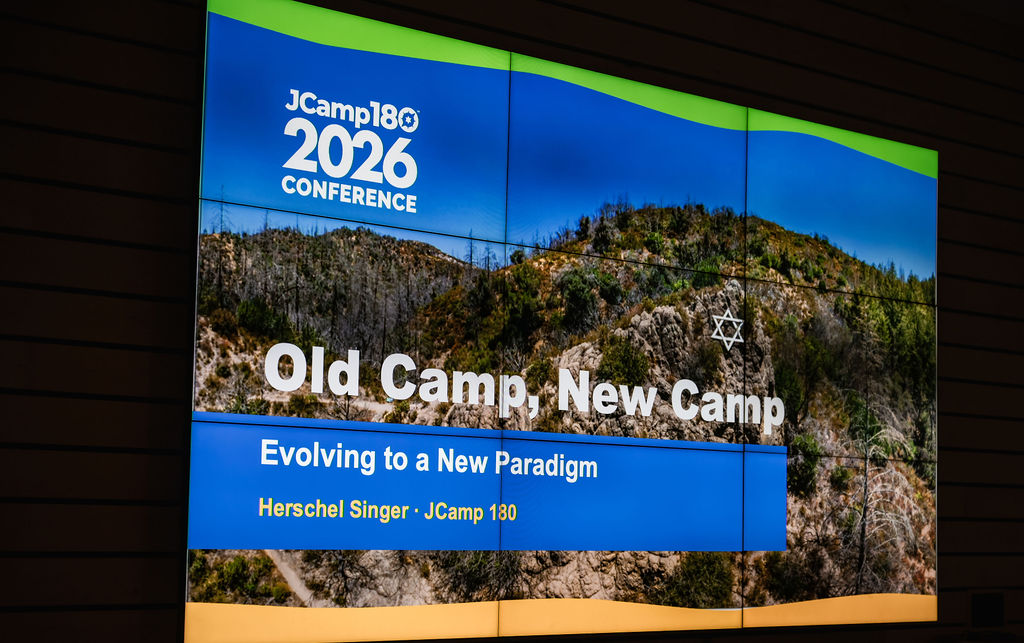
The conference featured a plenary led by JCamp 180 consultant Herschel Singer on building a financially thriving camp. He described a paradox: Nonprofit Jewish camp tuition has never been higher, yet camp has never been more expensive to run. Camps’ financials cover only about 78 percent of expenses. “The heart of camp has not changed,” he said, “but what it takes to deliver it has. Expenditures related to mental health support, staffing, communications, climate change, aging facilities, insurance, and security have all added cost and complexity.”
Singer identified four pieces of “scaffolding” that can hold camps up despite the complexities: seeing the budget as a living tool, implementing strong financial governance, leveraging philanthropy’s next horizon, and building facilities for where a camp is headed.
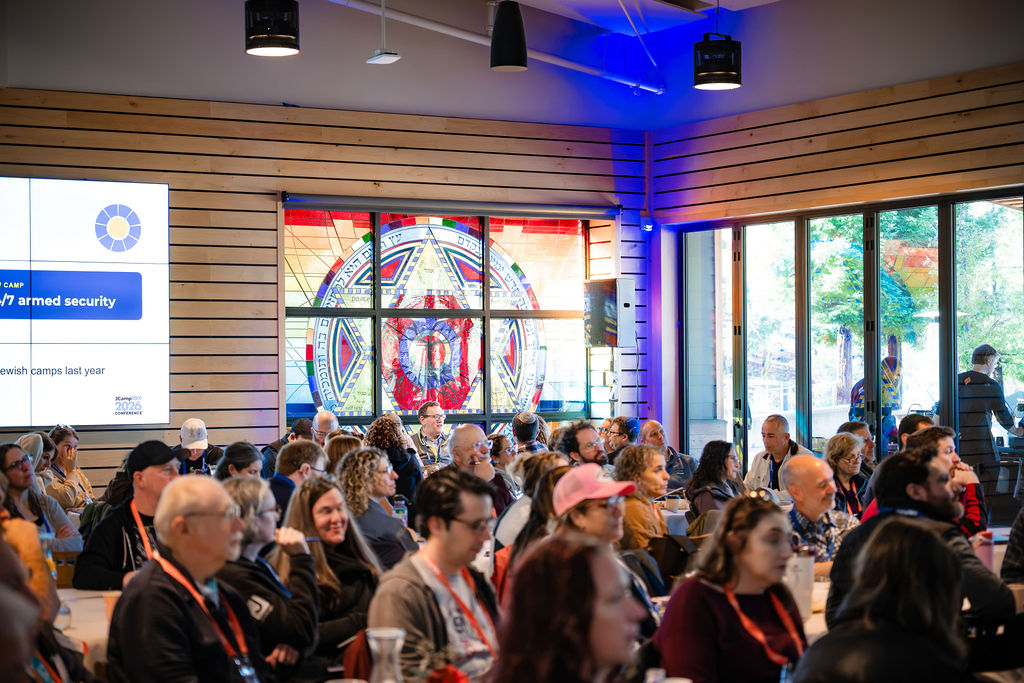
He also urged camps to build ways for people to stay connected to their camp community all year and throughout their lives. “None of this is about working harder. You’ve already done that,” Singer said. “It’s about building camps that run on systems, not sacrifice.” The hope is that camps will continue to find both technical and adaptive solutions to become stronger, more thriving camps.
“I cannot recall another conference where the sessions felt stitched together as if we were collectively having a single conversation over multiple days,” said Jacob Cytryn, Executive Director, Camp Ramah in Wisconsin. “And a timely one at that — mining deeply the enormous challenges and gigantic opportunities the field of Jewish camping faces today.”
Ideas from across the field … and beyond
Conference participants often cite what they learn from their peer camps as a highlight of the gathering. This year, in addition to learning from the URJ Camp Newman experience, 10 western-region camps shared their short, practical experiences in the areas of facilities, financial sustainability, and philanthropy. Building tiny homes to ease senior staff housing limitations; leaning on solar energy; devising new approaches to cope with soaring insurance fees; developing land management strategies; creating fundraising programs—these were just some of the innovative ideas presenters offered their peers to bring back to their camps.
Additional elective workshops went deeper into topics such as campaign readiness, master planning, effective debt deployment, facilities management, major gifts, the use of AI in fundraising, and more.
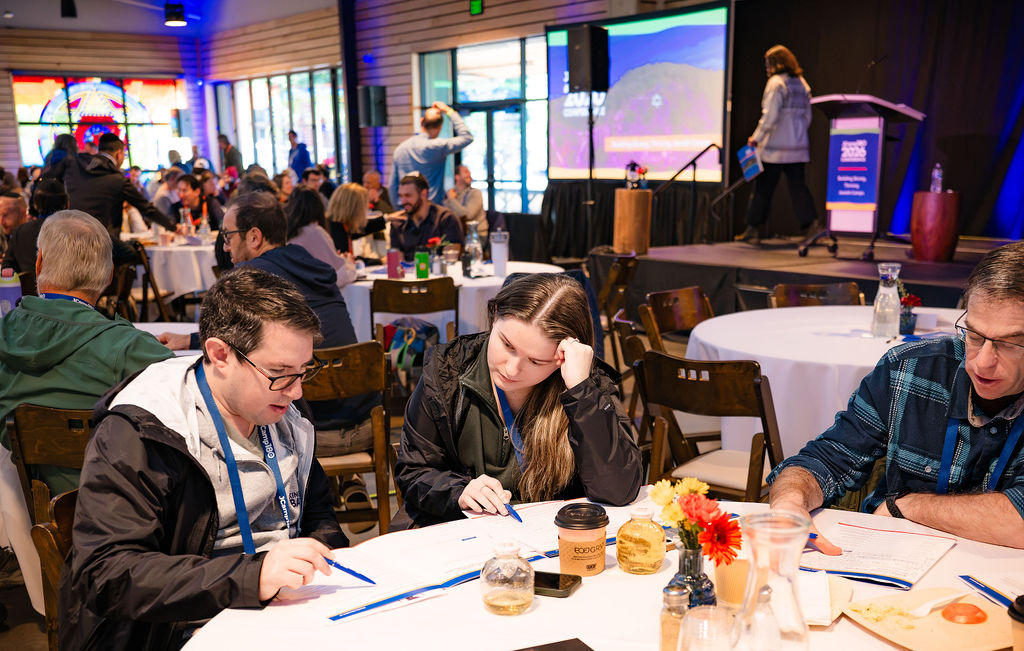
“I left the JCamp180 conference energized and excited to bring what we learned back to our team,” said Casey Cohen, Senior Director, Communications, Camp Tawonga. “It was validating to see that the challenges we’re facing are shared across the field, and the conversations about financial sustainability gave us practical ideas to build on. Just as meaningful was the time with colleagues from other camps and with our own team. I’m so grateful we could step away together to learn, connect, and bond.”


